


19 Feb Think twice before letting AI do your staff recruiting
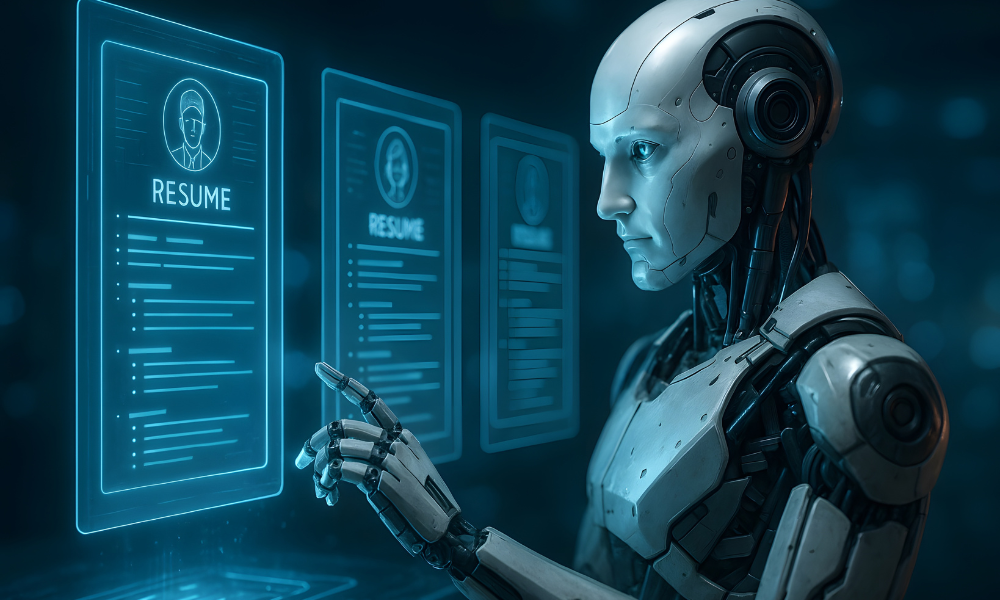
It may sound counter-intuitive in 2026, but for small to medium Australian hospitality businesses, one of the smartest competitive advantages might be resisting AI in recruitment and selection.
Hospitality is a people business. And in an industry defined by tight profit margins, high wage costs, and razor-thin tolerance for underperformance, the wrong hire isn’t just inconvenient — it’s expensive. Every rostering decision affects profitability. Every hire affects culture. Every team dynamic impacts service — and therefore revenue.
When margins are tight, the instinct is to automate. AI promises efficiency, faster screening, reduced admin. But in hospitality, recruitment isn’t admin — it’s strategy. Depersonalising the process carries real risks. In small to medium venues, every team member matters disproportionately. A disengaged floor staff member affects customer perception and average spend. A poor cultural fit in the kitchen disrupts flow and morale. Leadership time is already stretched; repairing hiring mistakes drains it further. The “efficiency” gained at the front end can be lost tenfold in too high staff turnover, retraining, conflict management, and lost customer experience.
Consider the following:
• AI recruitment tools promise speed, efficiency, and cost savings. On paper, that sounds ideal. But in practice, automated screening risks stripping away the very nuance that makes hospitality teams work. A CV scanner can’t feel warmth. A keyword algorithm can’t sense work ethic. And a chatbot can’t detect whether a candidate genuinely cares about service — or just knows the right buzzwords.
• Automated hiring creates distance. Candidates feel processed rather than welcomed. In an industry already battling retention issues, the tone of the recruitment process matters. If the first interaction is impersonal, what does that signal about the workplace? Talented people choose workplaces where they feel seen.
• Leadership presence matters. When the leadership team personally review applications, conduct interviews & reference checks, they send a clear message: standards are high, people matter, and performance is noticed. That signal strengthens accountability and sets cultural expectations from day one.
• AI systems are trained on historical data. In hospitality — where personality, chemistry, and adaptability are critical — relying on past patterns can reinforce mediocrity instead of identifying future stars – especially if you’re needing to strengthen an existing team.
• Finally, and perhaps of primary importance, if the leadership team have outsourced hiring decisions to AI algorithms, they have the perfect excuse for poor team performance – ‘I didn’t choose them, don’t blame me’.
Take-away:
Yes, efficiency matters. But in hospitality, one wrong hire costs far more than a few extra hours spent interviewing and reference checking carefully.
Small and medium venues don’t win by automating relationships. They win by building teams that are stable, care and perform under pressure. Because ultimately, great product and service is rarely automated — and neither should your processes for choosing your people.
Check out our How To Choose 2-day workshop if you’d like to learn more about best practice recruitment & selection.